trailer magnet YEAR: 2000 | LENGTH: 24 parts (~30 minutes each) | SOURCE: TGC description: “It doesn’t take an Einstein…
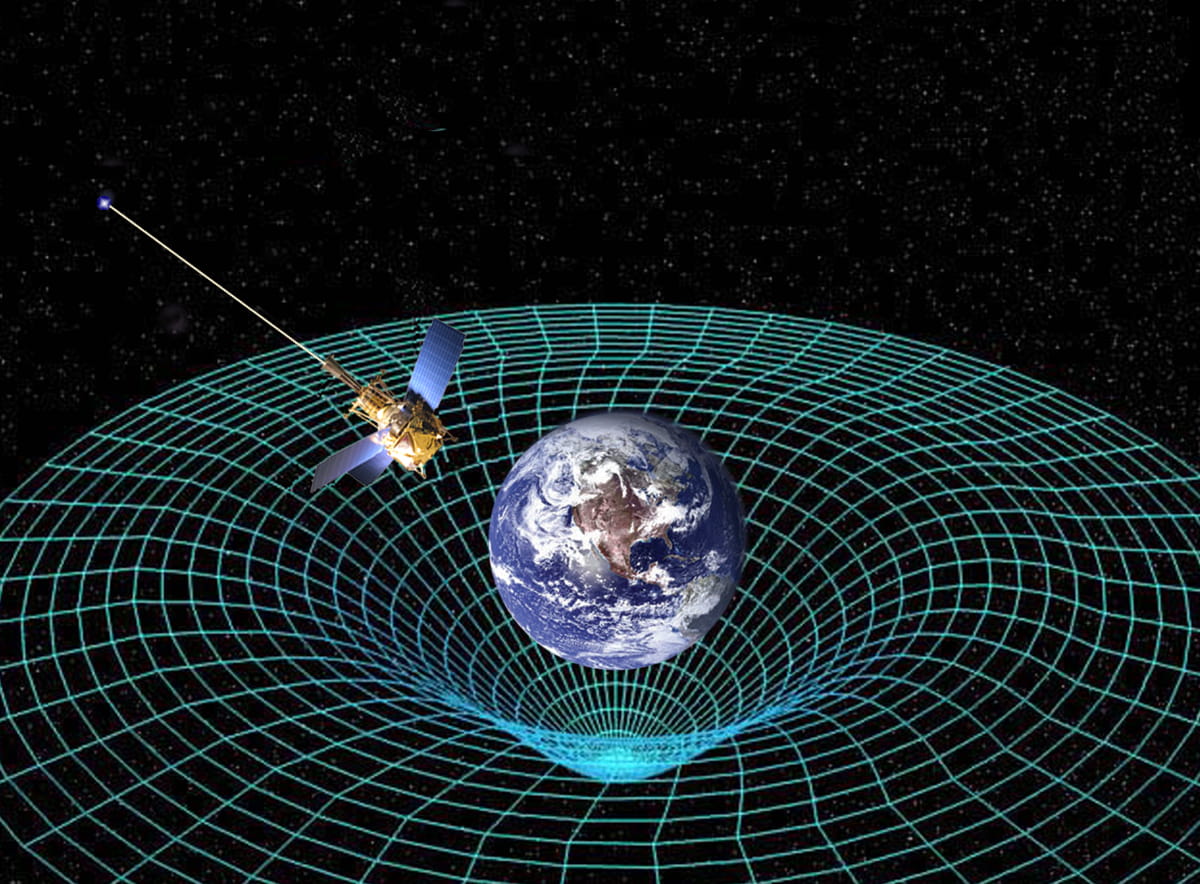

trailer magnet YEAR: 2000 | LENGTH: 24 parts (~30 minutes each) | SOURCE: TGC description: “It doesn’t take an Einstein…
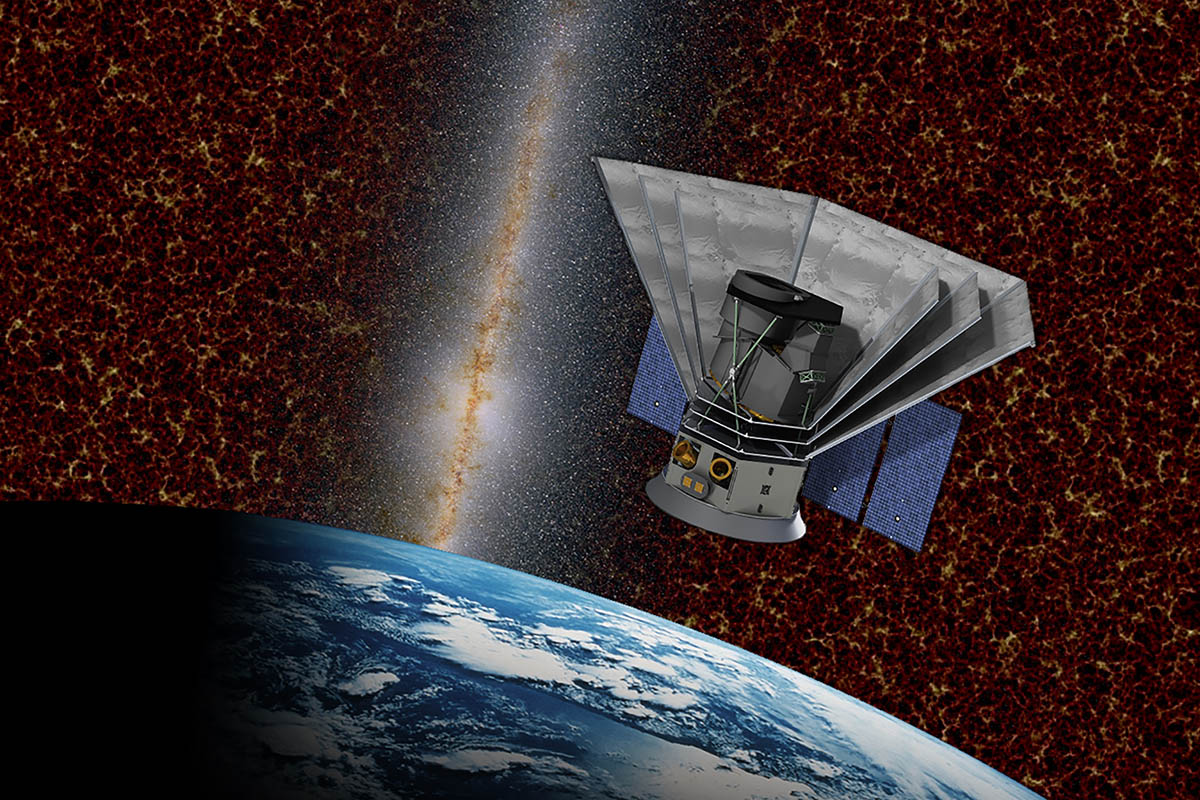
trailer magnet YEAR: 2008 | LENGTH: 48 parts (~30 minutes each) | SOURCE: TGC description: About 100,000 to 60,000 years…

trailer magnet YEAR: 2014 | LENGTH: 24 parts (~30 minutes each) | SOURCE: TGC description: Cosmology. Neurology. Genetics. Chemistry. These…
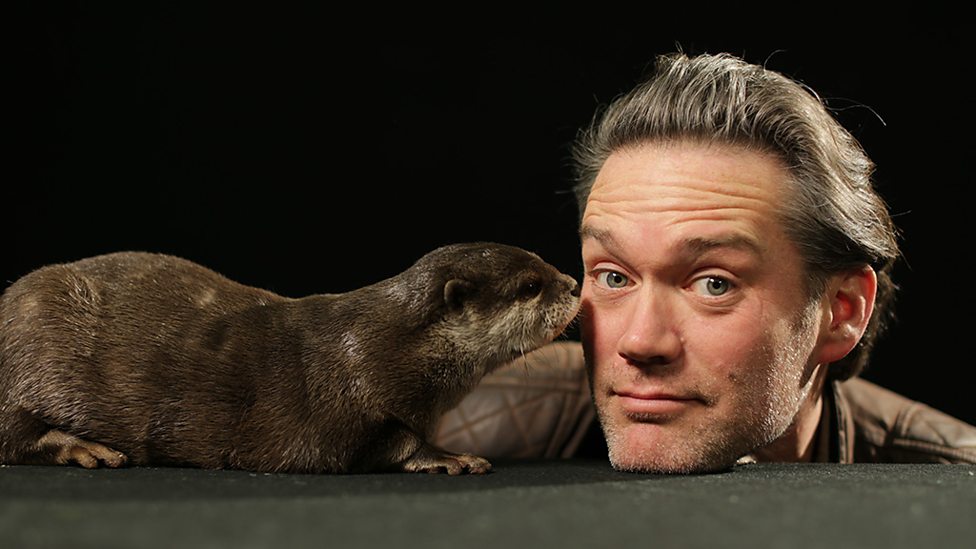
Otters are playful, adaptable and champion swimmers – they’ve captivated cameraman Charlie Hamilton James for the last 25 years. He’s filmed them more than anyone else and now, through the eyes of three orphaned river otters, a set of groundbreaking experiments and some incredible wild encounters, Charlie wants to reveal their survival secrets and exactly why he believes they’re so special.
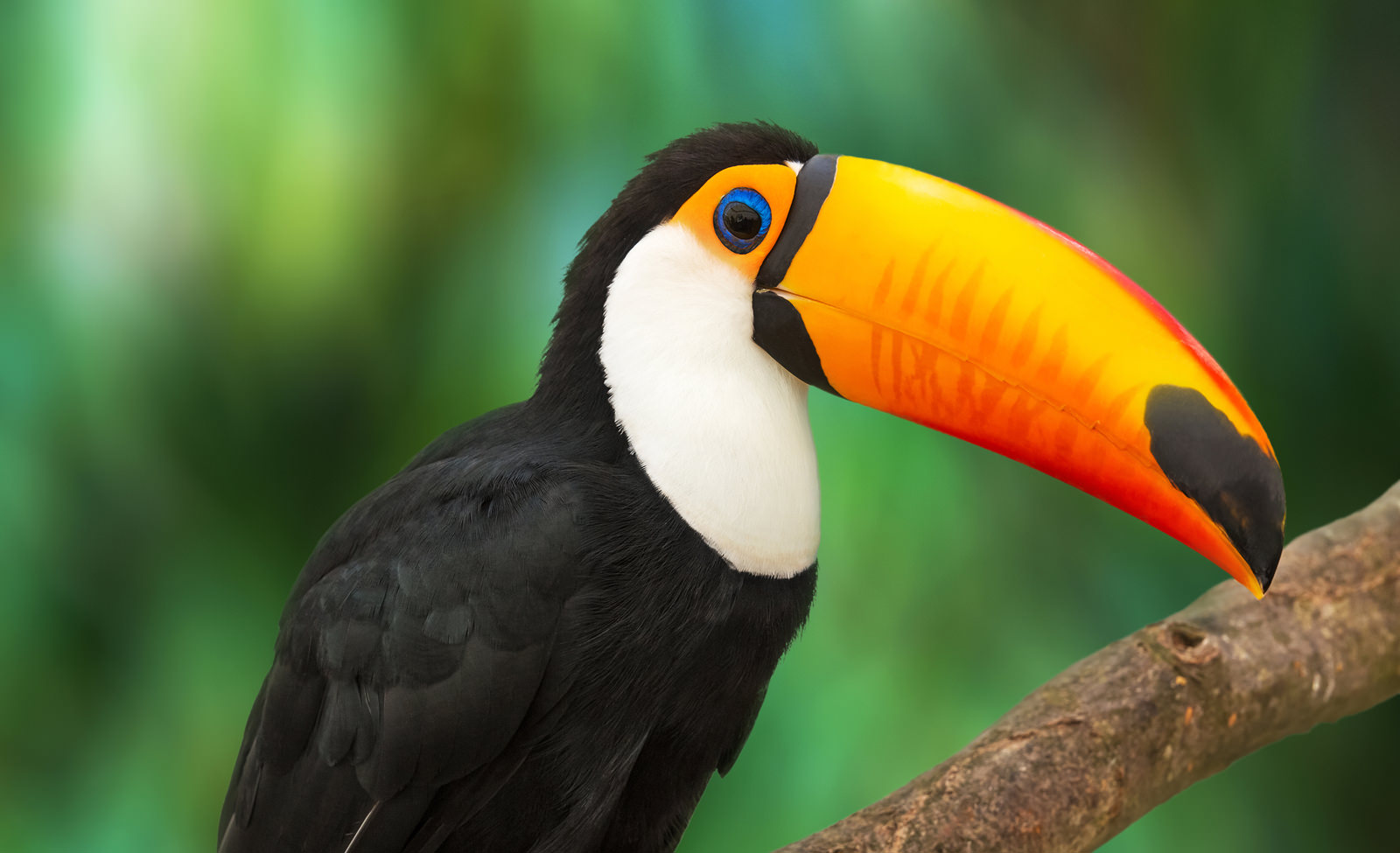
Deep in the jungles of Peru, a silky anteater is fighting to stay awake and a mother hummingbird is struggling to raise her chick. As this documentary reveals, life in his incredible part of the planet faces changing conditions.
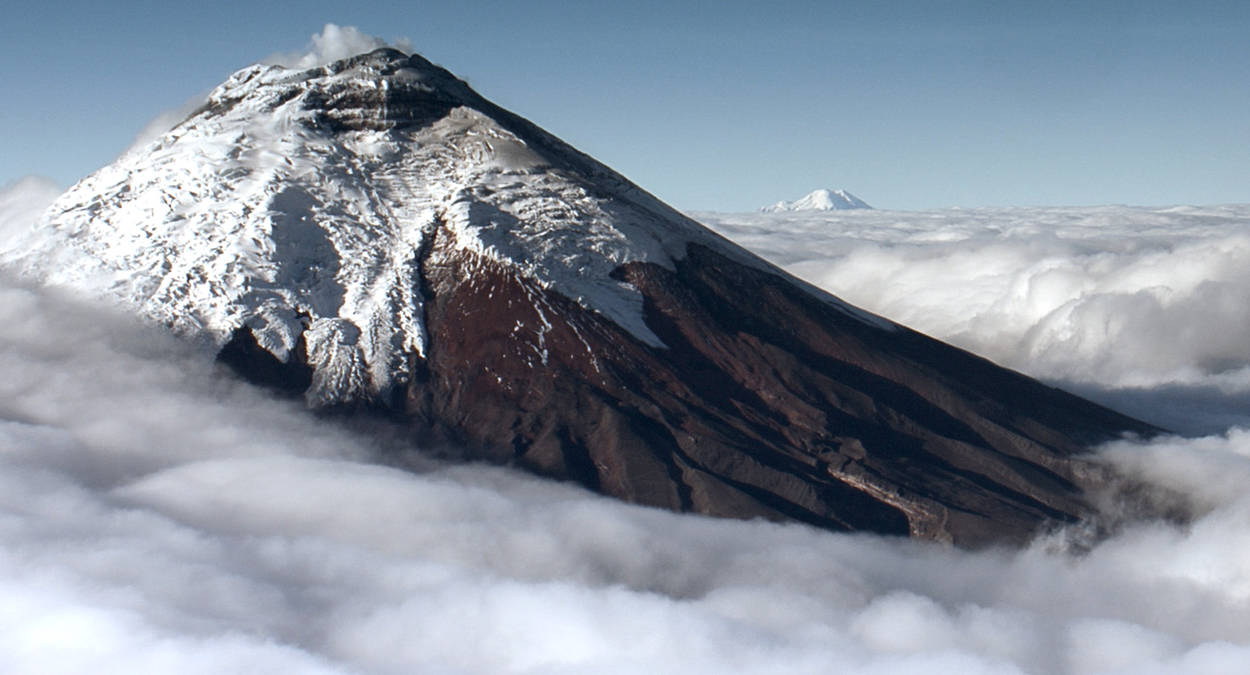
Born from volcanic fire 25 million years ago, the Andes are the longest mountain chain on the planet. Pushed upwards by huge tectonic forces, they continue to rise, creating new landscapes and new habitats for a diverse variety of creatures. Explore the mountains’ extremes and celebrate the animals that call it home on a 4,000-mile journey along the western edge of South America, from icy Southern Patagonia to the oxygen-deprived Altiplano plateau to the northern tropical Andes.
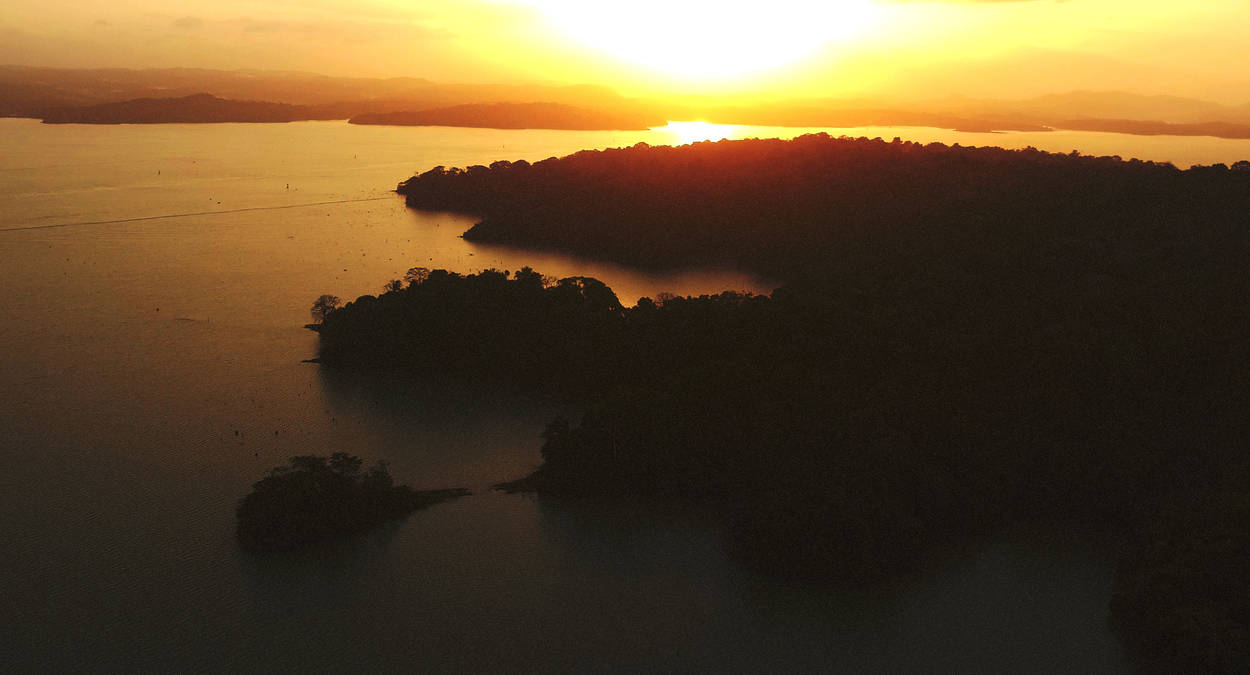
The island of Barro Colorado in the Panama Canal is full of mysteries, some involving the wide diversity of wildlife, and some involving the island itself. Every year, hundreds of scientists and students come here to uncover the rainforest’s secrets, but this year is very different. The island is running dry and no one knows why. Follow several research teams as they observe, experiment, and conduct research in this pristine habitat, and most pressing of all, try to find out what happened to the rain and when it will come again.
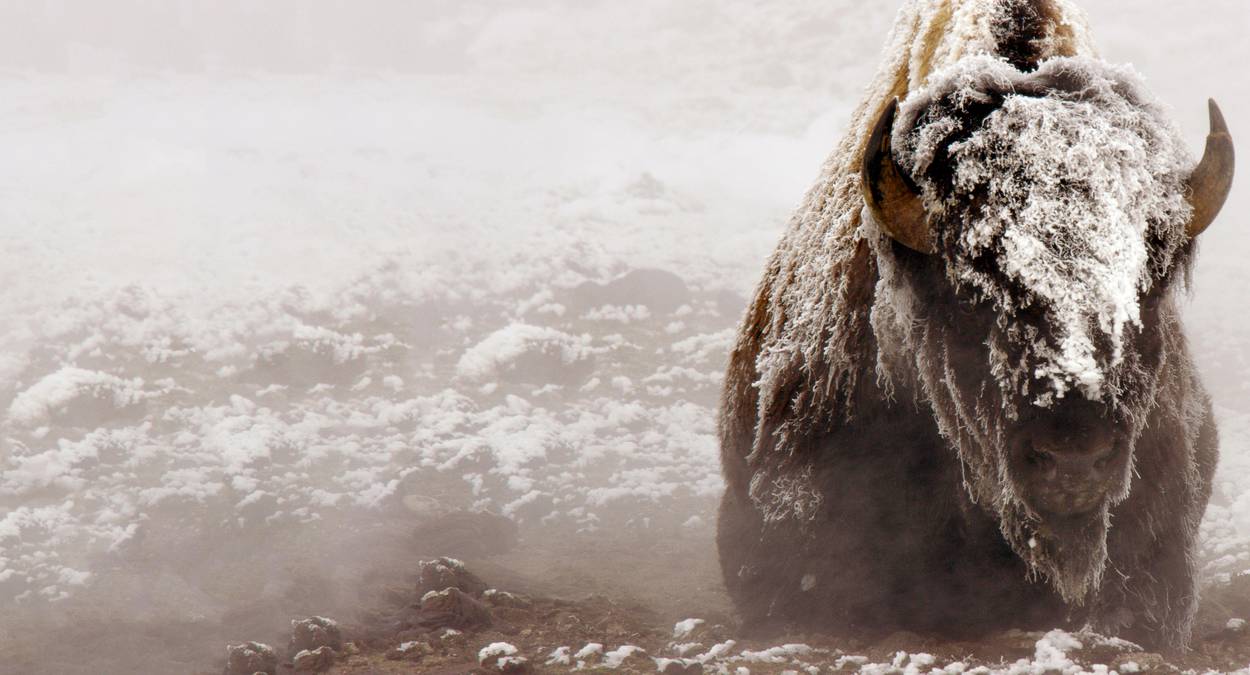
Documentary about the world’s first National Park, filmed over a two-year period.
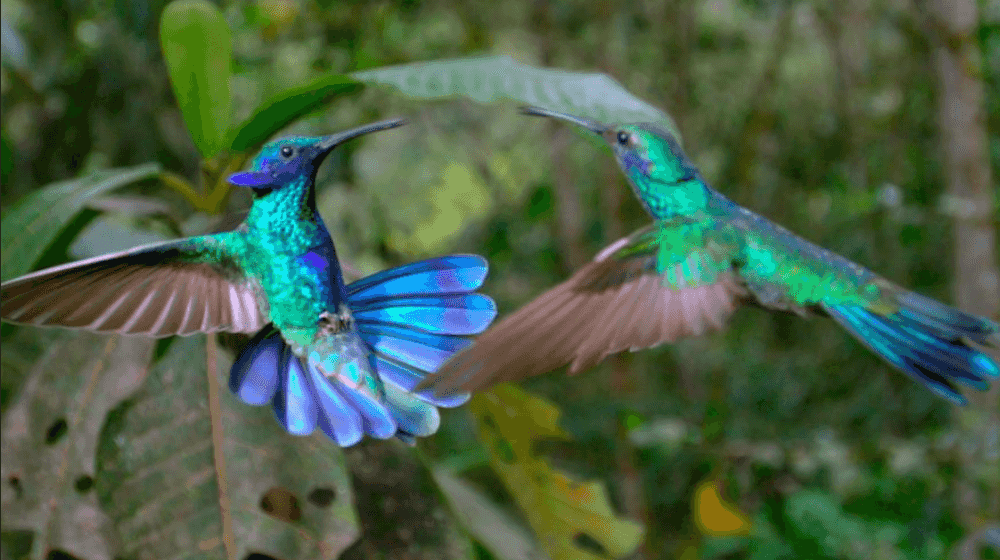
The wildlife and environments of this Latin American wonder are the most diverse and inspiring that anyone could wish to explore. Up until now its glories have been often overlooked… whilst trouble made the headlines. For the first time this cinematic series will reveal Colombia’s wild lands, wild life and the people who, everyday, are a part of it. Like the amazing creatures of Colombia the humans have battled, overcome, adapted and embraced the environments around them. Many people have become an integral part of the ecosystem others work selflessly to safeguard it. This film celebrates nature’s diversity and will also be a timely wake up call for all people to protect the creatures and respect the habitats that are Colombia’s wondrous wild treasures. Through artful photography and exceptional access, the film will explore the nature of Colombia at it most extreme and spectacular and at its most delightful and uplifting. A film of natural stories, striking splendour and surprising charm that will unveil a wild Colombia you wont forget.
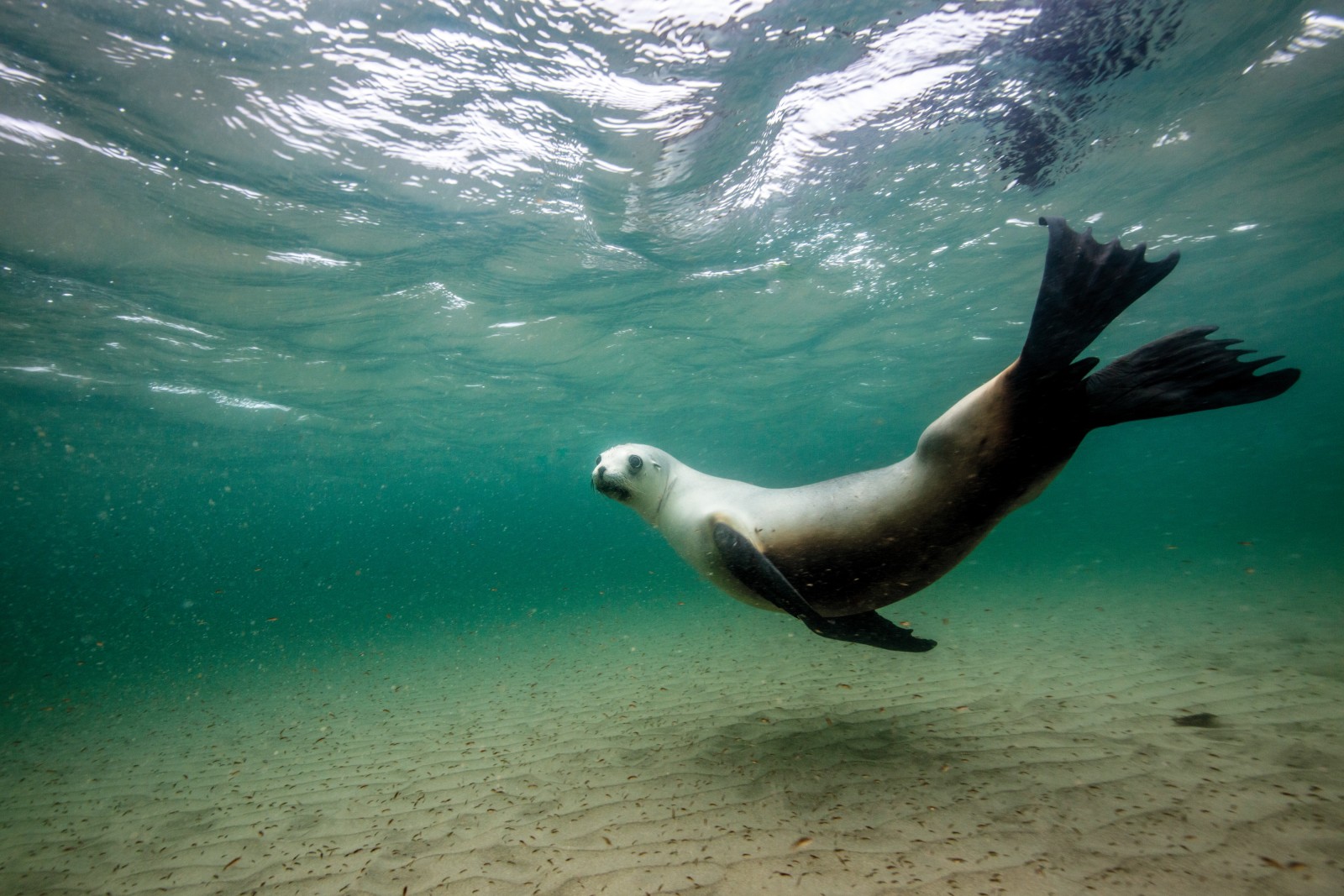
The Auckland Islands are an isolated archipelago of islands far south of New Zealand. They might seem bleak, but they are a surprising sanctuary for wildlife. In summer, hordes of giant sea lions descend upon a desolate beach, and testosterone-driven males begin bloody battles for mating rights. When the pregnant females return to give birth on the beach, chaos ensues. The pups are always in danger of being squashed by overly eager males. Some of the rarest penguins on the planet, the yellow-eyed penguins, are also breeding here and must constantly evade the huge brawling male sea lions. Southern royal albatross, giant petrels and skuas are other species that go to extremes to ensure their offspring’s survival. The drama of summer in the sub-Antarctic islands peaks as the sea lion pups dare to take their very first ocean swims.
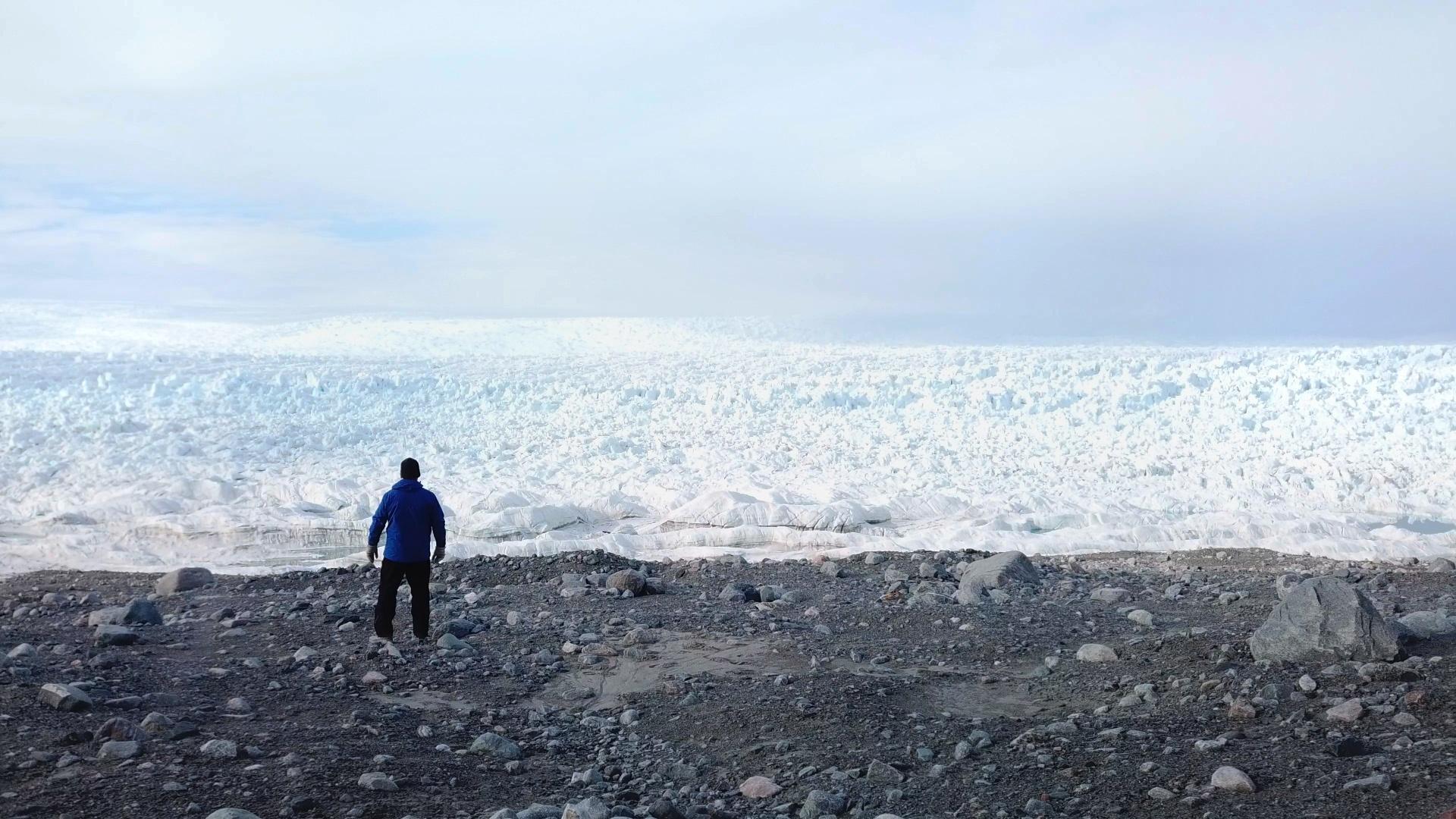
Following a trail of fossils found in all the wrong places–beech trees in Antarctica, redwoods and hippo-like mammals in the Arctic–NOVA uncovers the bizarre history of the poles, from miles-thick ice sheets to warm polar forests teeming with life.
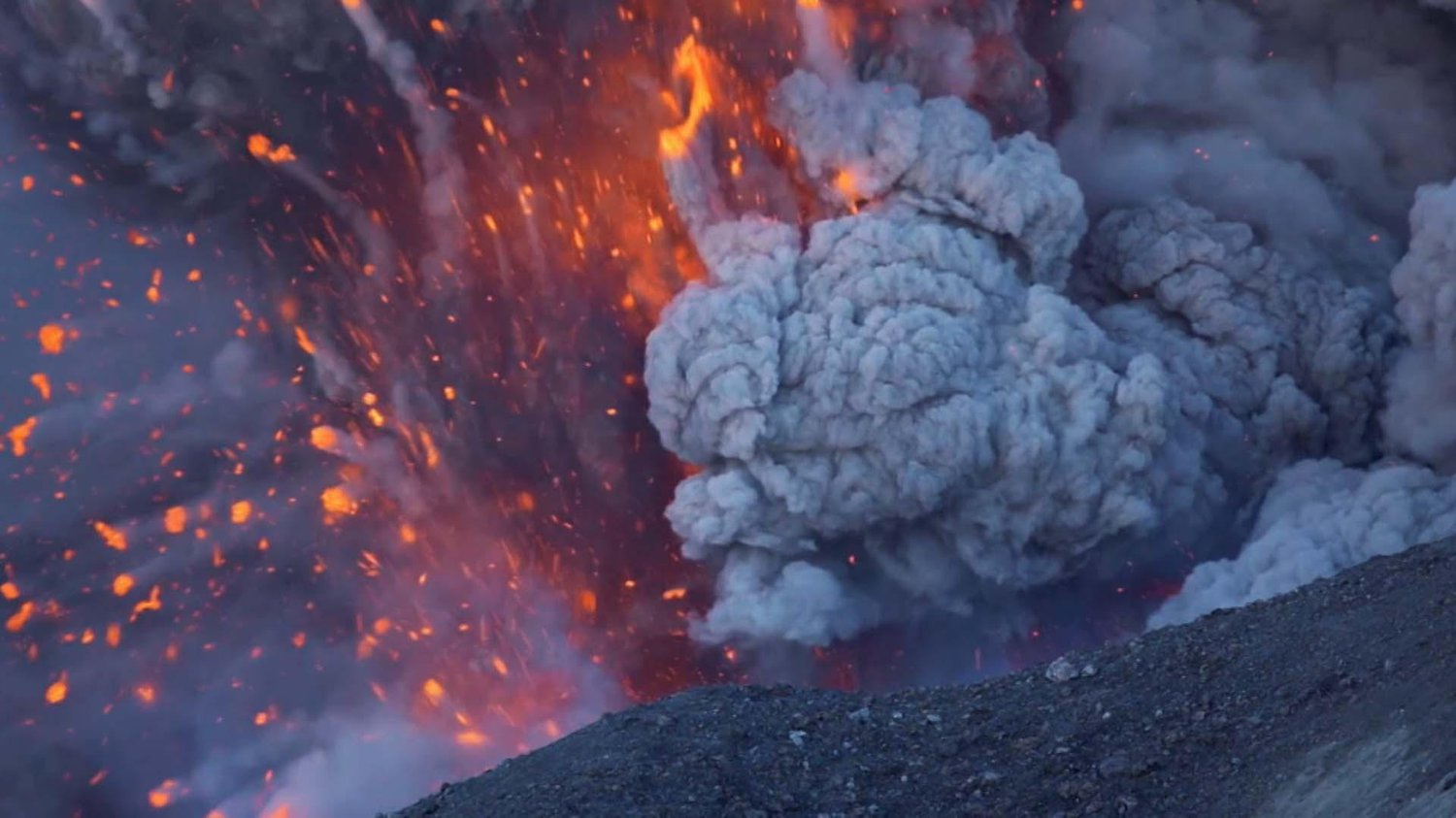
NOVA follows a team of volcano sleuths as they embark on a worldwide hunt for an elusive volcanic mega-eruption that plunged the medieval earth into a deep freeze. The mystery begins when archaeologists find a hastily dug mass grave of 4,000 men, women, and children in London. At first they assume it’s a plague pit from the Black Death, but when they date the bones, they’re a century too early. So what killed off these families? The chronicles of that time describe a run of wild weather that devastated crops and spread famine across Europe. NOVA’s expert team looks for the signature of a volcanic eruption big enough to have blasted a huge cloud of ash and sulfuric acid into the atmosphere, which chilled the entire planet. From Greenland to Antarctica, the team finds telltale “fingerprints” in ice and soil layers until, finally, they narrow down the culprit to a smoldering crater on a remote Indonesian island. Nearly 750 years ago, this volcano’s colossal explosion shot a million tons of rock and ash into the atmosphere. Across the globe, it turned summer into winter. What would happen if another such cataclysm struck again today?